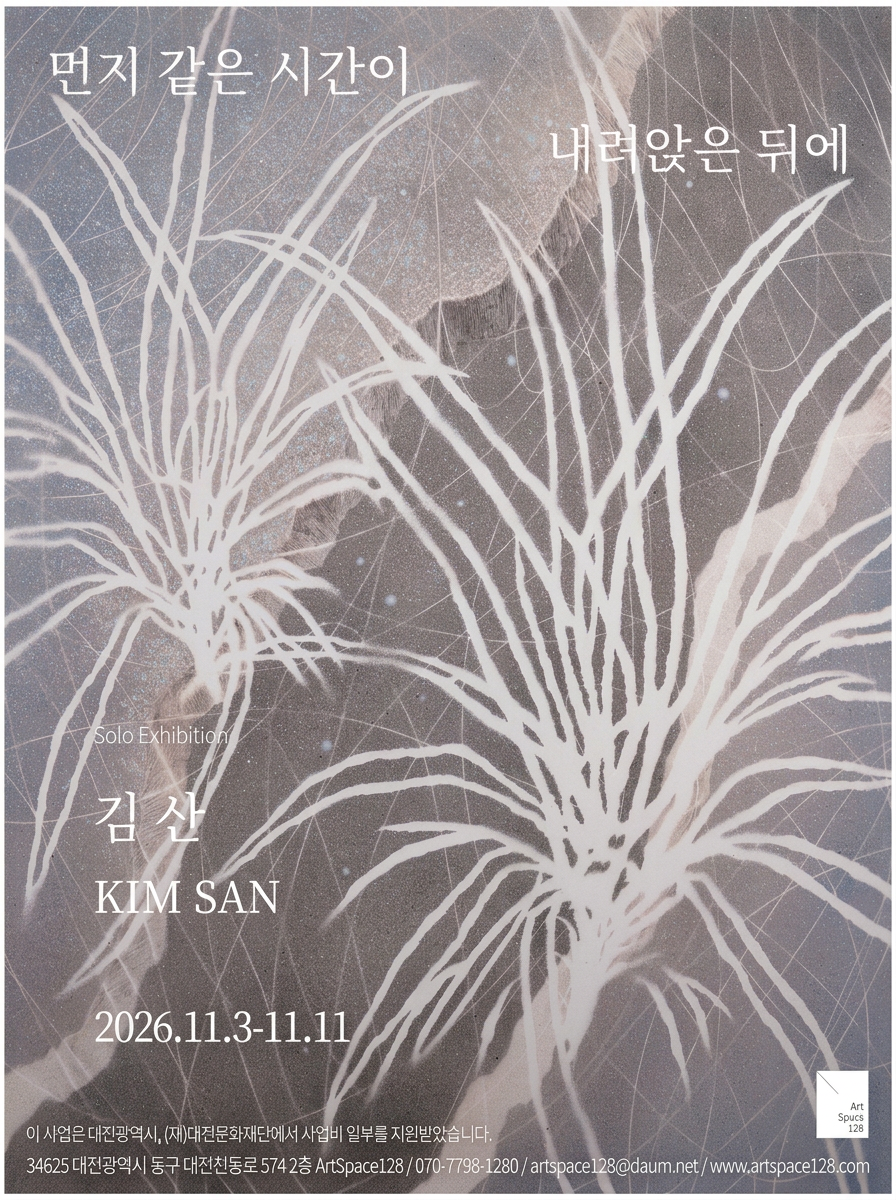
시간은 눈에 보이지 않지만 지나간 자리에는 무언가가 남는다.
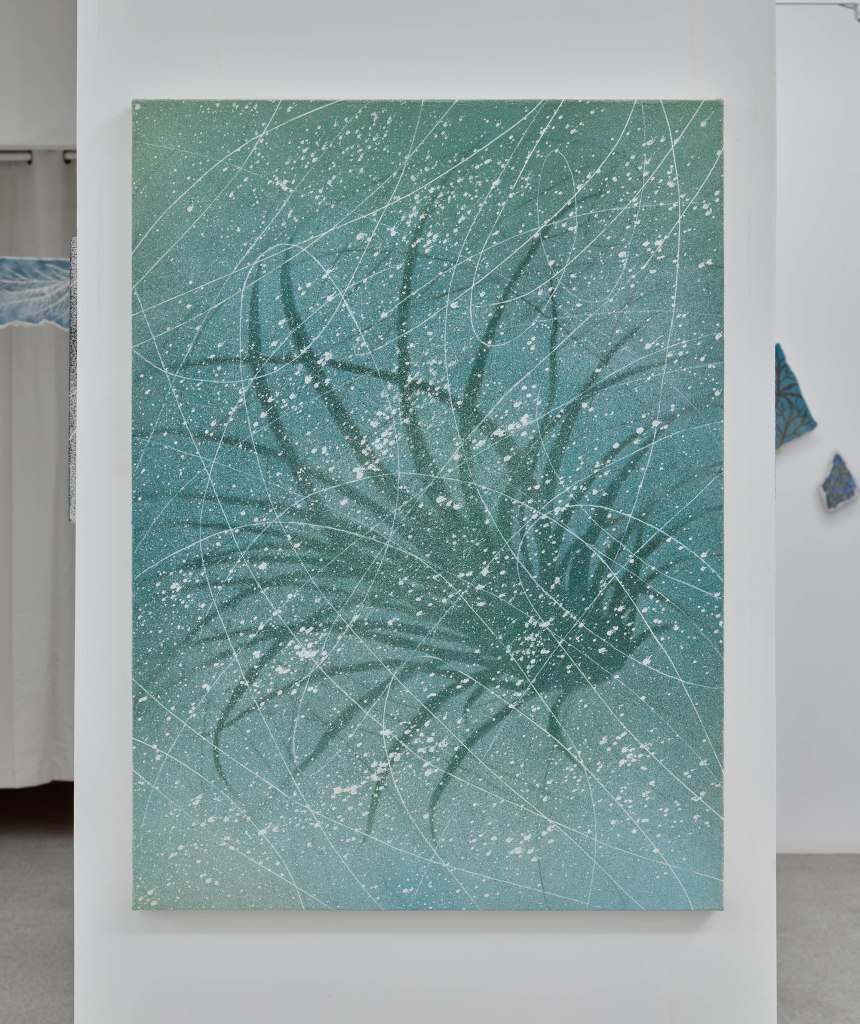
아주 작은 입자처럼 흩어져 있던 순간들은 어느새 표면에 내려앉고, 그 위에 또 다른 시간이 쌓인다. 먼지는 그러한 시간을 닮았다. 가볍고 희미해서 쉽게 사라질 것 같지만, 오래 쌓이고 나면 지나온 시간을 드러내는 흔적이 된다.
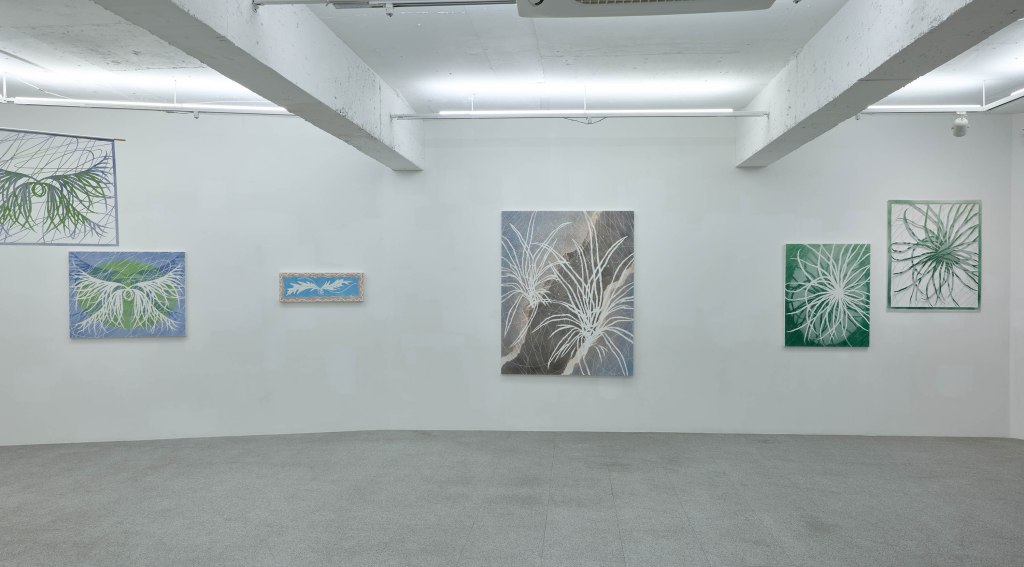
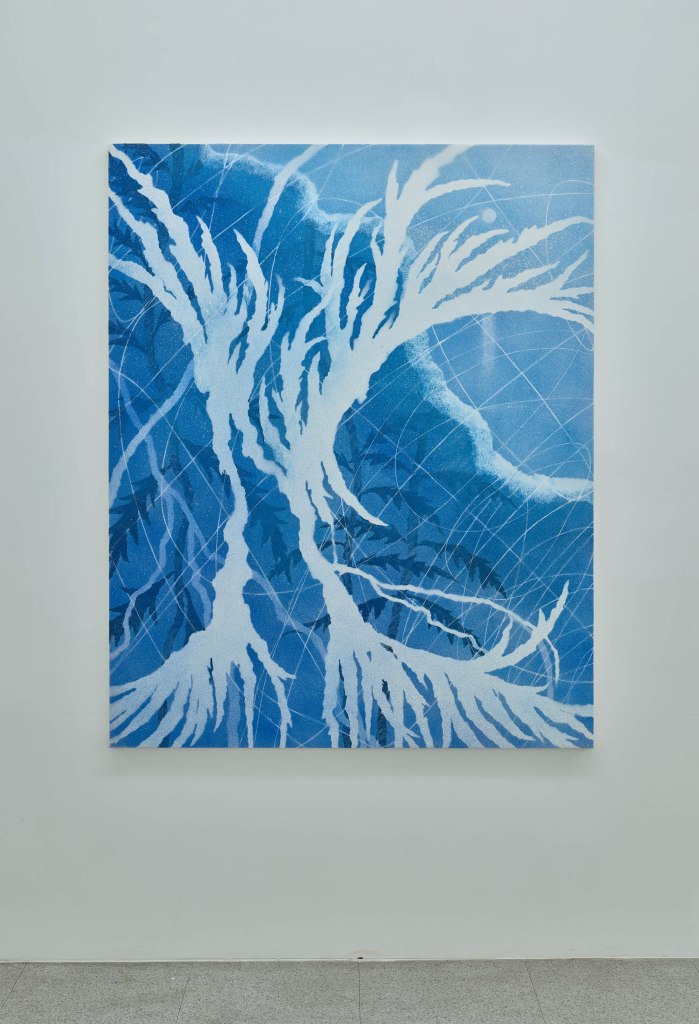
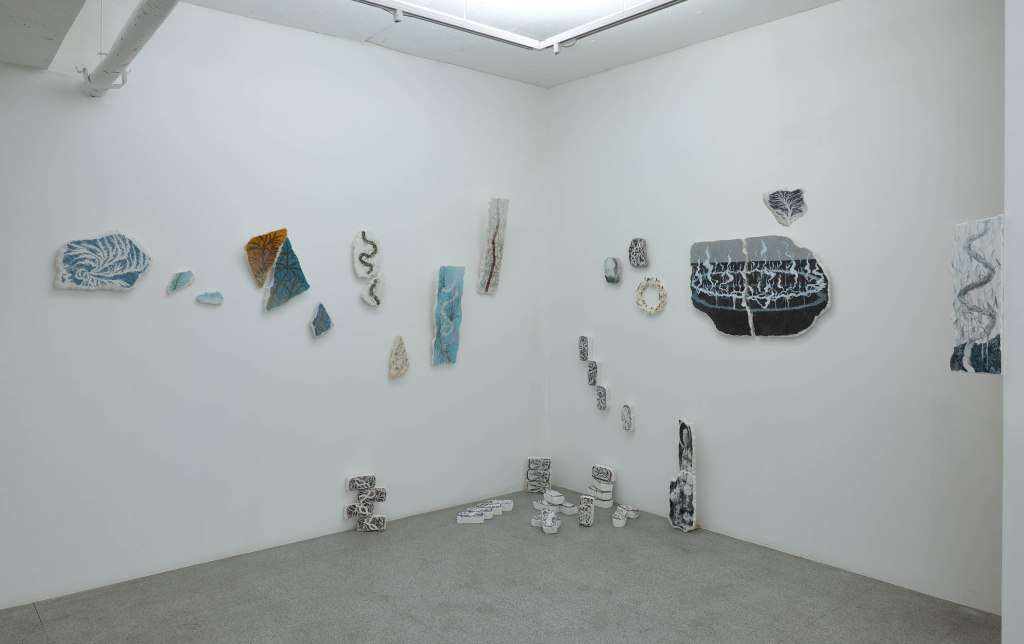
나는 지나간 시간의 흔적을 통해 드러나는 이미지에 관심을 둔다. 오래된 벽화의 파편은 온전한 그림을 보여주지 않는다. 떨어져 나간 벽의 일부와 닳고 지워진 이미지가 남아 있을 뿐이다. 그러나 그 불완전한 조각은 오히려 존재하지 않는 벽과 그곳에 그려졌던 장면, 그리고 그것이 견뎌온 시간을 감각하게 한다.
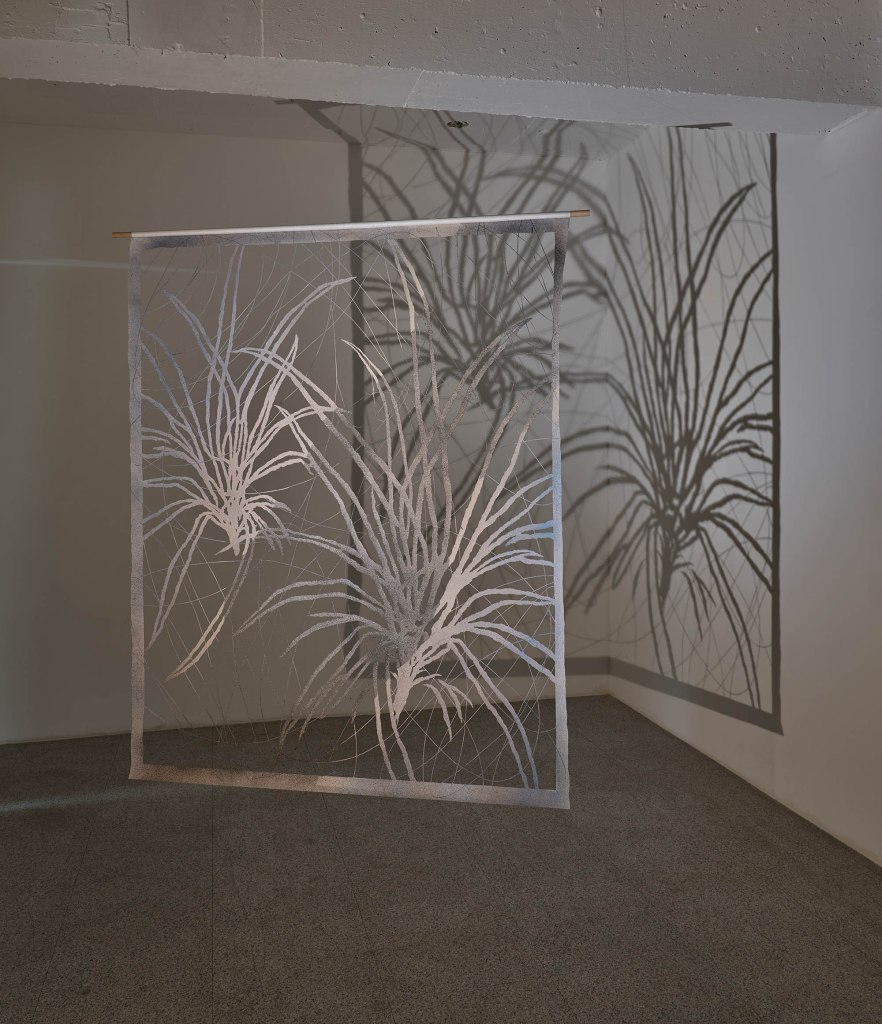
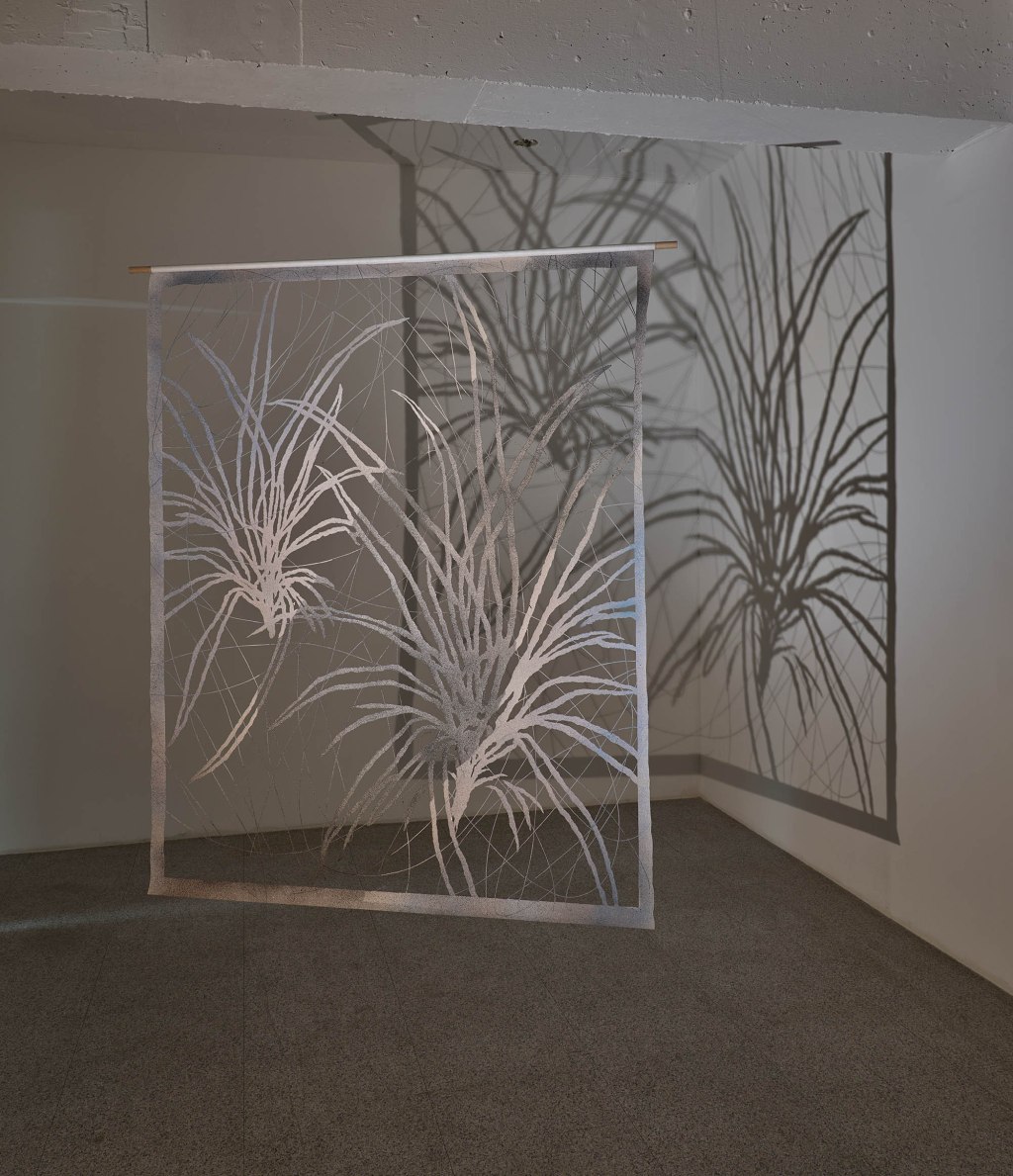
이러한 시간의 감각은 물질과 환영이 관계 맺는 방식으로 이어진다. 표면에 남은 물질은 실제로 존재하지만, 그것이 만들어내는 이미지는 실재와 허상의 경계를 오간다. 잘려나간 빈자리는 형태를 만들고, 표면에 내려앉은 입자는 이미지를 이루며, 그림자는 실재하지만 손에 잡히지 않는다. 오래된 벽화의 파편을 닮은 회화 역시 하나의 물질적인 조각이면서, 동시에 존재하지 않는 장소와 시간을 불러오는 이미지가 된다.
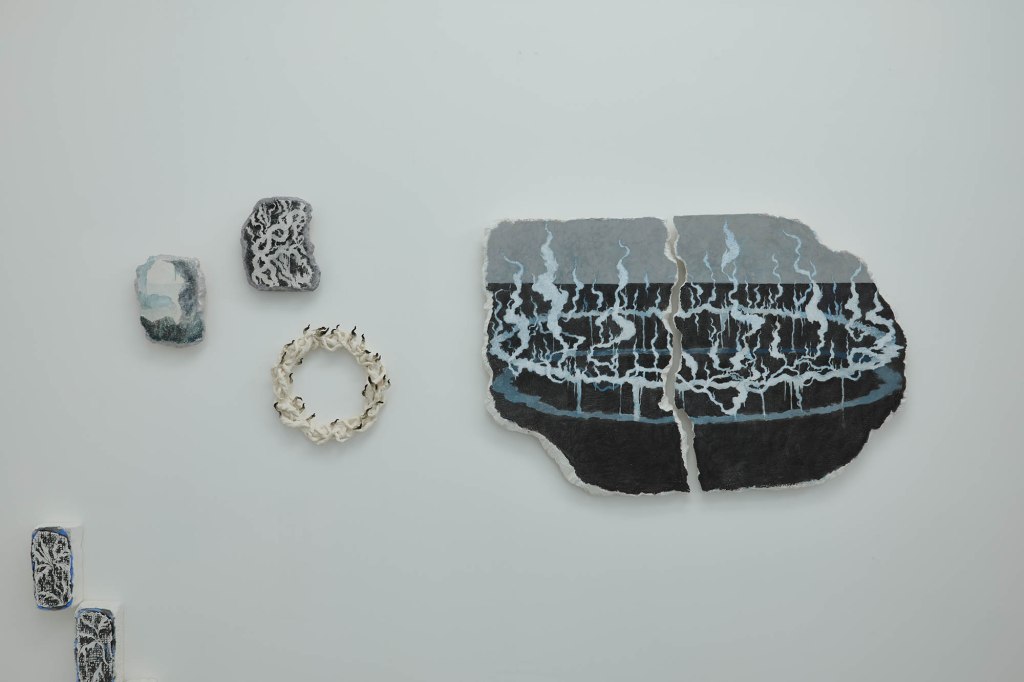
나는 사라지고 남은 것의 일부를 통해, 지나간 시간과 그 흔적에서 다시 나타나는 환영 사이를 바라본다. 먼지 같은 시간이 내려앉은 뒤에 남은 것은 흔적이고, 파편이며, 때로는 그림자다.
After Time Has Settled Like Dust
We cannot see time, but we can see what it leaves behind. Moments scattered like fine particles settle on surfaces, gradually building up in layers. Dust is much the same. So light and barely visible that it seems it might vanish, it gathers until it reveals how much time has passed.
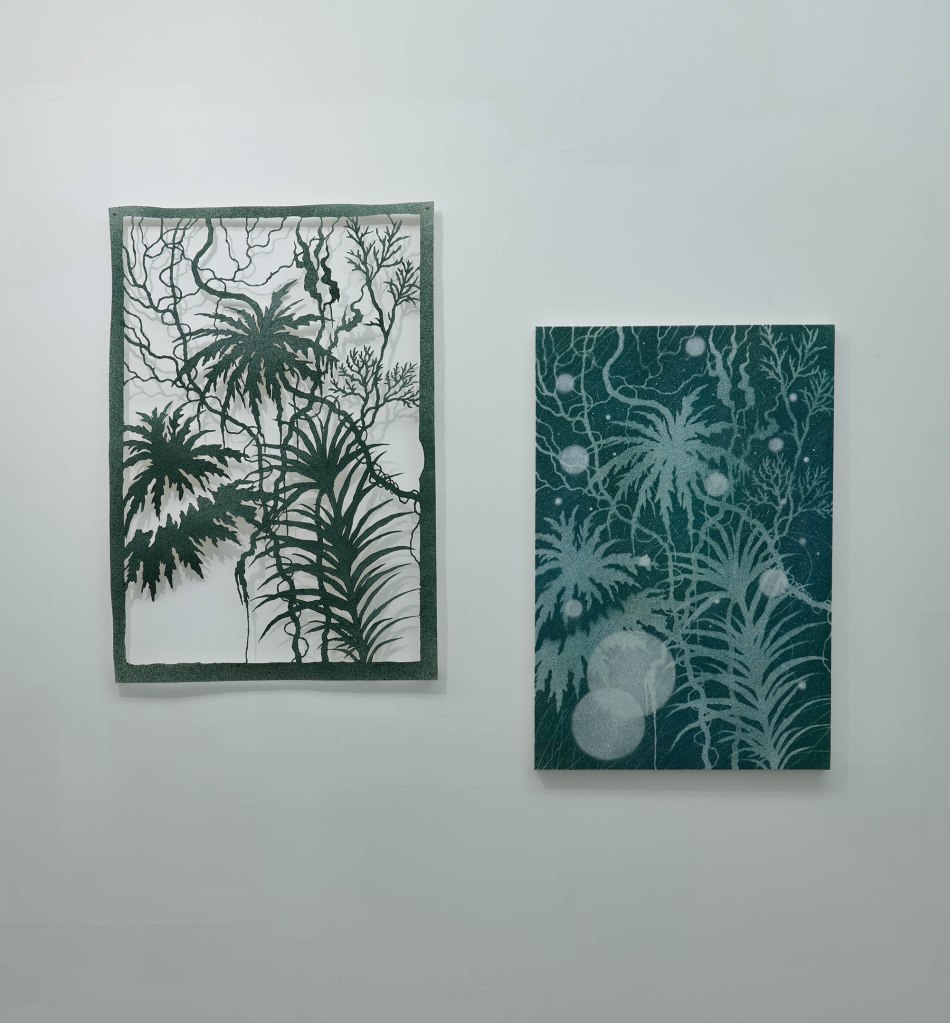
I am interested in the images that emerge from these traces. A fragment of an old mural offers only a glimpse of the whole: a broken piece of wall, its painted surface worn and faded. Yet its incompleteness allows us to sense the wall that is no longer there, the scene once painted on it, and the time it has endured.
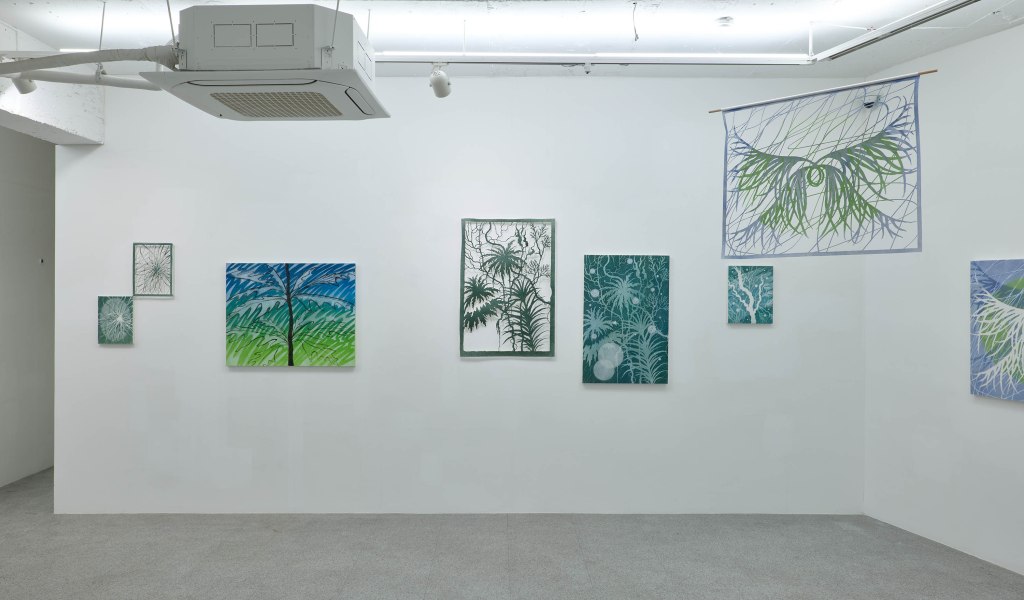
This sense of time also shapes the relationship between matter and illusion. The material on a surface is physically present, but the image it produces moves between reality and illusion. Spaces left by cutting away material give rise to forms, while particles settled on a surface become images. A shadow exists, yet cannot be grasped. A painting that resembles a fragment of an old mural is itself a physical fragment, while also evoking a place and time that are no longer present.
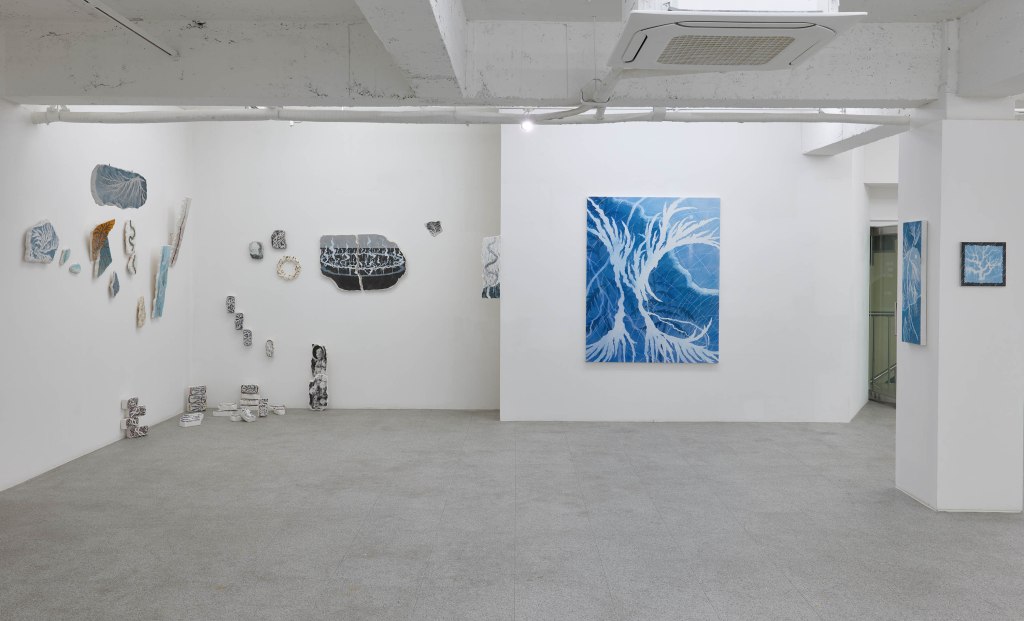
Through fragments of what remains, I look into the space between time past and the illusions that reappear in its traces. After time has settled like dust, what remains is a trace, a fragment, and sometimes a shadow.
_번역_Alice WOO


답글 남기기